


-

Add: HeBei ShengShi HongBang Cellulose Technology CO.,LTD.
-

Email
13180486930@163.com -

CONTACT US
+86 13180486930
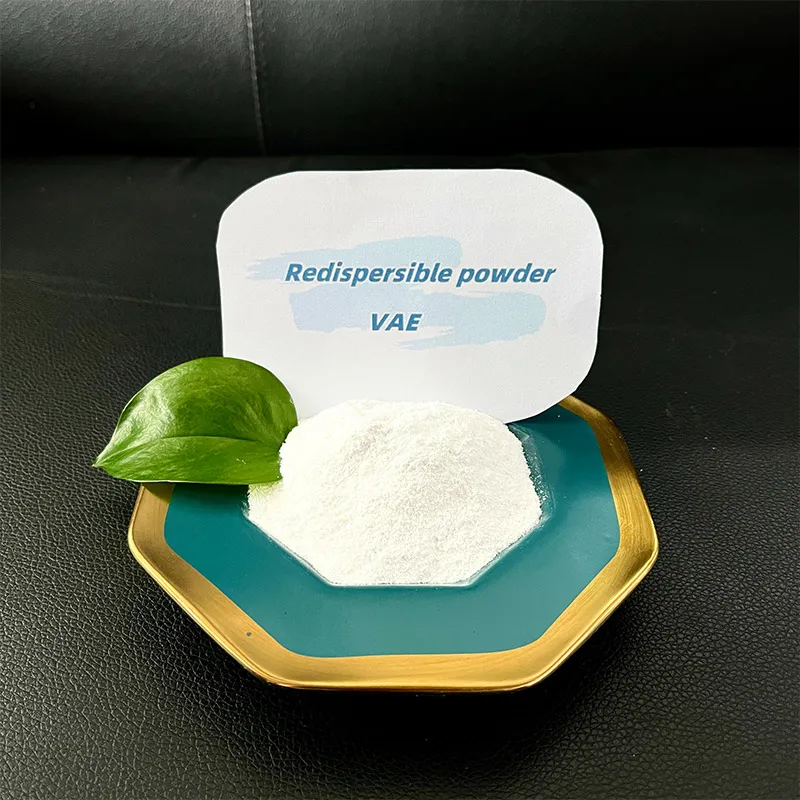
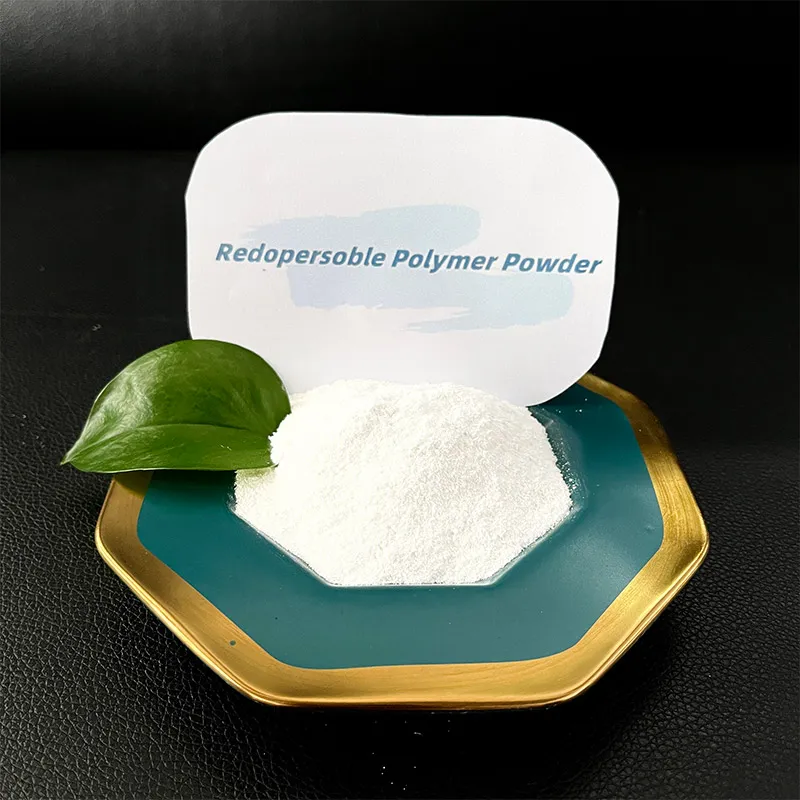
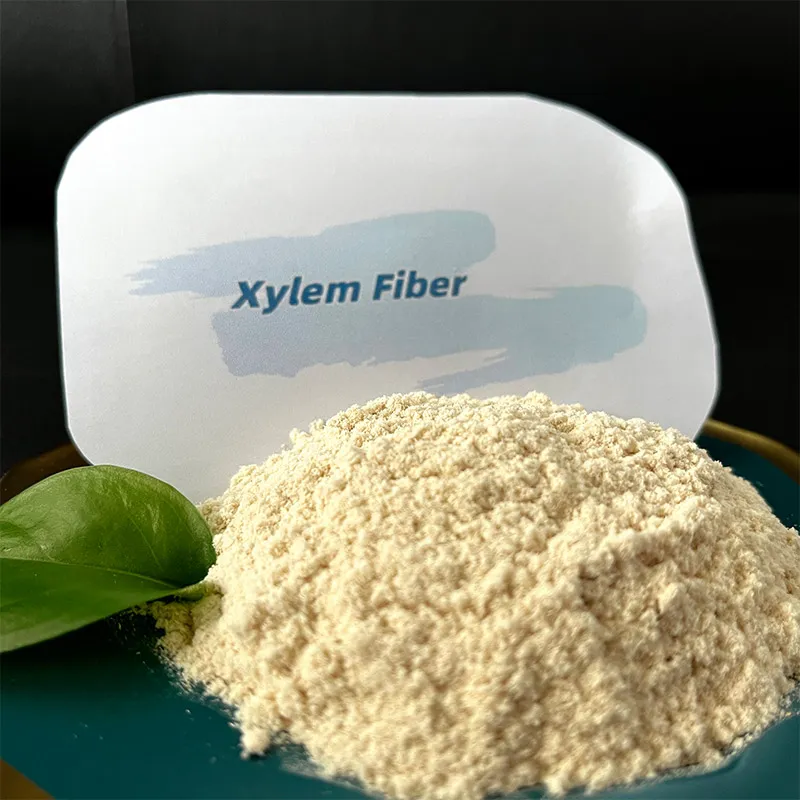
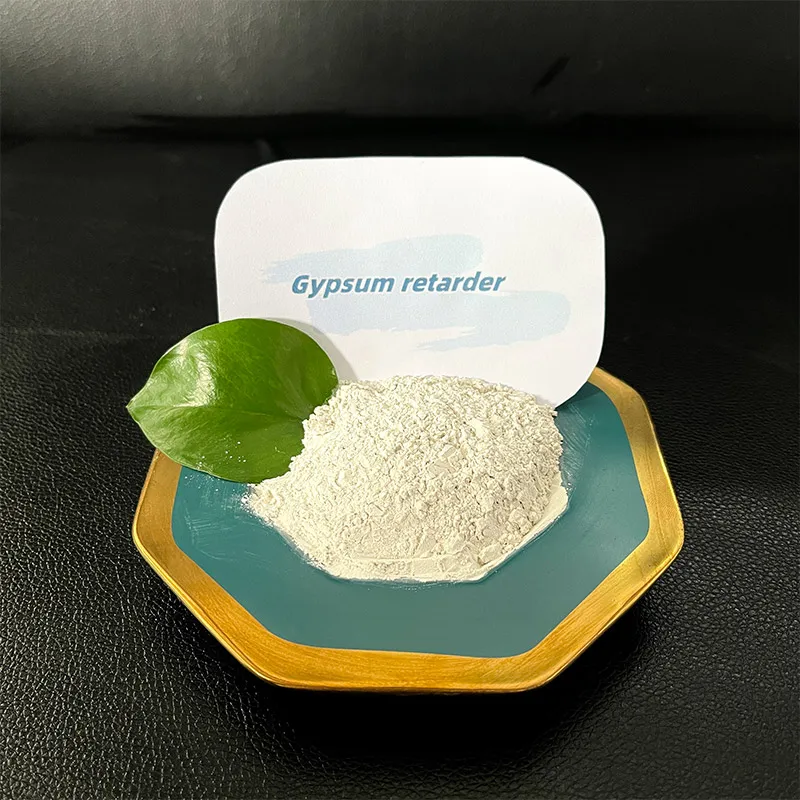


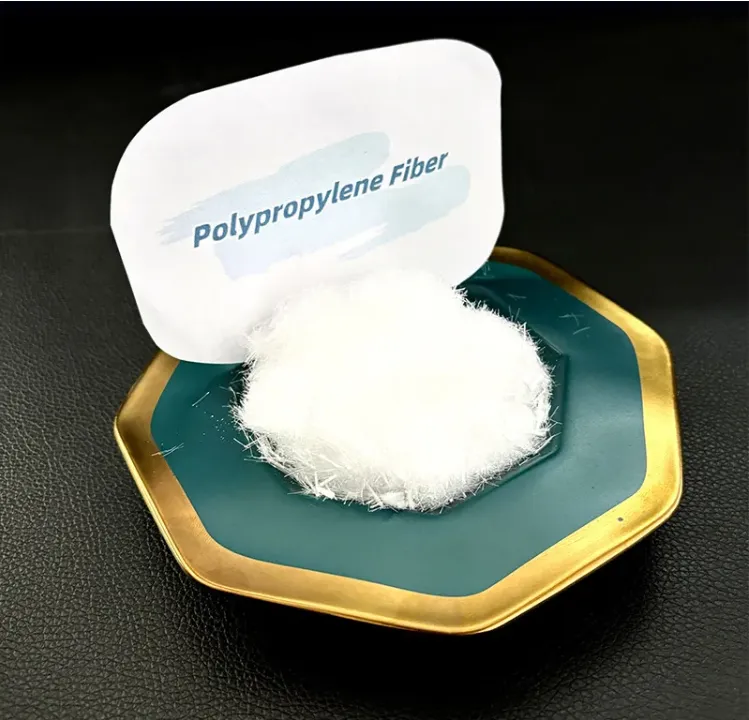
In the world of modern construction, synthetic fibers have revolutionized the way materials are used, enhancing the strength, flexibility, and durability of various building components. The different types of synthetic fibers available today are engineered for specific uses, making them indispensable in many construction projects. These fibers are often used to reinforce concrete, improve the resilience of building structures, and provide additional benefits like increased fire resistance and weather protection. From polypropylene fibers to long glass fibers , synthetic fibers offer a range of options tailored to different needs. Whether it’s increasing the strength of cement or providing insulation properties, the different types of synthetic fibers ensure that construction projects meet high standards of quality and longevity. In addition to their superior performance, synthetic fibers are often more cost-effective and readily available than traditional materials. This makes them a preferred choice for construction companies aiming to reduce costs while maintaining high-quality results. Furthermore, the environmental impact of synthetic fibers is increasingly being addressed with sustainable production methods, making them a more eco-friendly option for the construction industry. Long Glass Fiber Polypropylene: A Key Ingredient for Stronger Materials One of the standout synthetic fibers in the construction industry is long glass fiber polypropylene . This innovative fiber combines the strength of glass with the lightweight, corrosion-resistant properties of polypropylene. As a result, long glass fiber polypropylene is often used to reinforce concrete and other building materials, providing a significant boost in durability and performance. The inclusion of long glass fiber polypropylene in construction materials helps reduce cracking and improve the structural integrity of buildings and roads. The long fibers create a matrix that distributes stresses evenly across the material, preventing localized damage. This fiber is particularly useful in high-strength concrete applications where additional reinforcement is needed. Moreover, long glass fiber polypropylene is highly resistant to environmental factors like moisture, UV radiation, and temperature changes, making it ideal for both indoor and outdoor construction projects. It is commonly used in applications like paving, drainage systems, and even in the production of prefabricated building components. Its versatility and effectiveness in improving the lifespan and reliability of building materials make it a go-to solution for modern construction needs. Fibre Natural and Synthetic: A Comparison of Strength and Sustainability When choosing materials for construction, understanding the difference between fibre natural and synthetic options is crucial. While natural fibers such as jute, hemp, and cotton have been traditionally used in construction, synthetic fibers like polypropylene, polyester, and nylon have emerged as more durable and cost-effective alternatives. Fibre natural and synthetic materials each have their own advantages, making them suitable for different types of applications. Natural fibers are renewable, biodegradable, and often produced using more sustainable methods, making them a more eco-friendly option. However, they may not offer the same level of strength or resistance to environmental factors as synthetic fibers. On the other hand, synthetic fibers are engineered for durability, offering superior resistance to moisture, heat, and wear. They are often used to enhance the properties of natural materials, making them more suitable for demanding construction environments. For example, natural fibers like hemp may be used in insulation or as a reinforcement material in low-stress applications, while synthetic fibers like polypropylene or polyester are used for high-strength reinforcement in concrete, roofing, and other critical structures. By combining the best of both fibre natural and synthetic materials, construction companies can achieve optimal performance and sustainability. Non-Woven Polypropylene Fiber: A Revolutionary Material in Construction Non woven polypropylene fiber is another essential material that is increasingly being used in the construction industry. Unlike traditional woven fabrics, non woven polypropylene fiber is made from a process that bonds fibers together without weaving or knitting, resulting in a highly versatile material with excellent durability and moisture resistance. This fiber is widely used in applications like drainage systems, geotextiles, and road construction. Non woven polypropylene fiber provides a lightweight yet strong solution for reinforcing construction materials. It is often used in soil stabilization, as it helps prevent erosion and improves the strength of the ground underneath roads, bridges, and buildings. The material's ability to resist moisture also makes it ideal for protecting against corrosion and extending the lifespan of infrastructure. Additionally, non woven polypropylene fiber is environmentally friendly, as it is made from recyclable polypropylene, a material that can be repurposed for various other uses. Its cost-effectiveness, combined with its high-performance qualities, makes it a popular choice for contractors seeking durable and sustainable solutions for their construction projects. S ynthetic F ibers FAQs What are the different types of synthetic fibers used in construction? Synthetic fibers used in construction include polypropylene, polyester, nylon, and glass fibers. Each type is engineered for specific applications, such as reinforcing concrete, improving durability, and providing insulation. What is long glass fiber polypropylene, and why is it important in construction? Long glass fiber polypropylene is a fiber that combines the strength of glass with the lightweight, corrosion-resistant properties of polypropylene. It is essential in construction for reinforcing concrete, improving structural integrity, and preventing cracking. What are the benefits of using natural fibers in construction? Natural fibers , like hemp or jute, offer benefits such as renewability, biodegradability, and sustainability. They are commonly used for insulation and low-stress reinforcement, but may not be as durable or resistant to environmental factors as synthetic fibers. How does non-woven polypropylene fiber differ from woven fabrics? Unlike woven fabrics, non-woven polypropylene fiber is made through a bonding process that does not involve weaving or knitting. This results in a highly durable and moisture-resistant material, commonly used in geotextiles, drainage systems, and soil stabilization. Are synthetic fibers environmentally friendly? While synthetic fibers are often made from petroleum-based products, many are now produced using more sustainable methods. Additionally, materials like non woven polypropylene fiber are recyclable, making them a more environmentally friendly choice in construction. As construction needs evolve, synthetic fibers like long glass fiber polypropylene and non woven polypropylene fiber continue to play a crucial role in enhancing the strength, durability, and sustainability of building materials. If you're in the construction business, investing in these cutting-edge fibers will improve the performance of your projects and contribute to more eco-friendly practices. Visit our website today to explore our wide range of high-quality synthetic fibers and learn how they can transform your construction projects!
- 40000tons

Production
- 20+years

Experience
- 5000+㎡

Acreage

-
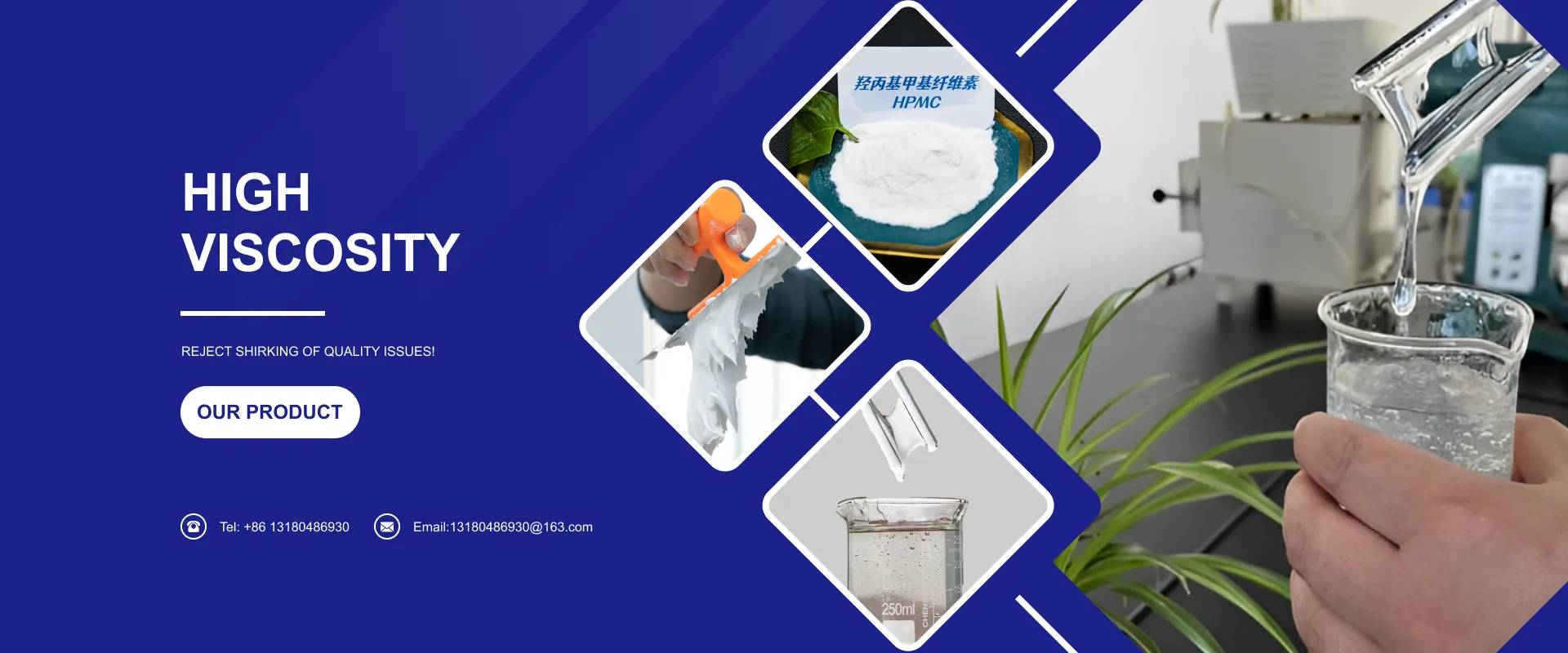
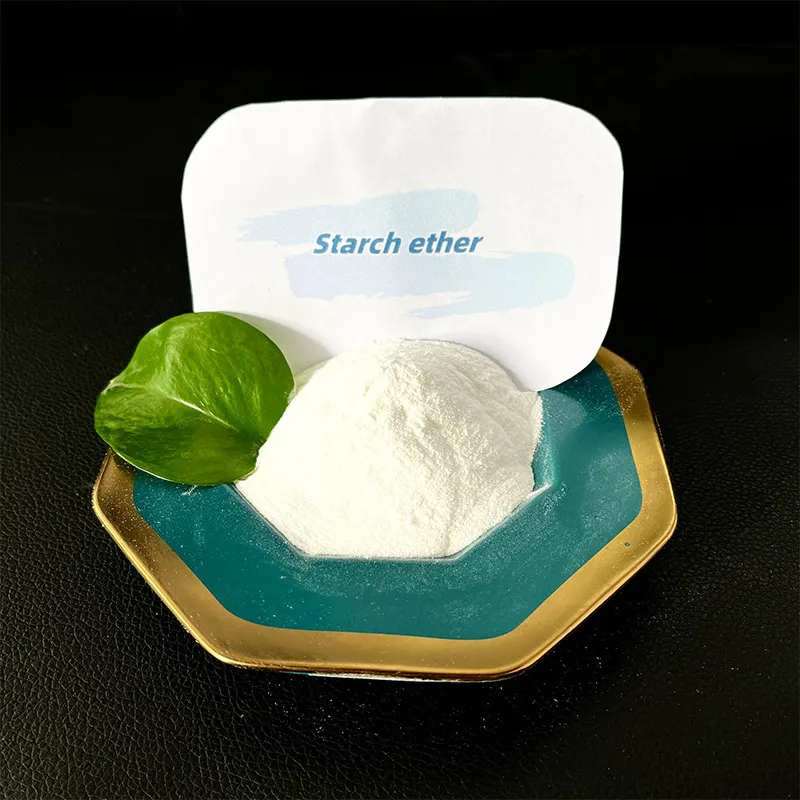
The evolution of modern construction materials has positioned starch ether as an indispensable component in high-performance mortar systems. As bulk manufacturers prioritize sustainable and efficient solutions, specialized modified starch types – particularly hydroxyethyl starch – deliver exceptional water management, enhanced workability, and environmental advantages. This article examines how industrial-scale integration of starch ether for construction transforms production economics while meeting rigorous performance standards across global markets. Fundamental Properties of Modified Starch in Mortar S tarch Starch ether for construction fundamentally alters mortar behavior through sophisticated molecular interactions. Unlike conventional additives, hydroxyethyl starch establishes hydrogen bonding networks that dramatically improve water retention capabilities – essential for complete cement hydration in demanding applications. The modified starch creates colloidal protective films that effectively regulate moisture migration without interfering with setting mechanisms. This unique characteristic ensures consistent performance across diverse cement chemistries and environmental conditions. The inherent thermal stability of specialized modified starch types maintains critical viscosity parameters even in high-temperature production environments. Bulk formulators leverage these properties to develop optimized systems where starch ether demonstrates superior adhesion in lightweight plasters. The molecular interaction between hydroxyethyl starch and inorganic fillers prevents delamination issues while providing exceptional sag resistance in vertical applications. Strategic Sourcing of Industrial-Grade Starch Ether Securing consistent starch ether for construction requires establishing technical partnerships with specialized producers. Industrial buyers prioritize botanical traceability – whether corn, potato, or tapioca-derived – to ensure predictable modification outcomes and performance consistency. Leading suppliers offer tailored etherification parameters that address regional climatic challenges, providing modified starch types engineered for specific humidity and temperature profiles. Comprehensive third-party certifications covering substitution characteristics guarantee material consistency across production batches. Progressive suppliers accommodate container-scale quantities of hydroxyethyl starch with specialized moisture-resistant packaging – critical for maintaining performance integrity in tropical distribution chains. Consolidated procurement of the modified starch across multiple product categories enables significant economies of scale while simplifying quality assurance protocols. Technical validation documents demonstrating starch ether for construction performance in sustainable formulations further assist bulk buyers in navigating evolving regulatory landscapes across international markets. Cross-Application Performance Synergies of Starch Ether Starch ether creates powerful formulation bridges across diverse construction material categories. Hydroxyethyl starch originally developed for tile adhesive applications demonstrates remarkable cohesion enhancement in self-leveling underlayments. Specialized modified starch types engineered for exterior render formulations significantly improve workability characteristics in spray-applied mortars. When incorporated into repair compounds, starch ether for construction effectively reduces material rebound during machine application processes. Bulk manufacturers achieve substantial raw material optimization by standardizing the modified starch across their entire product portfolio. Documented implementations reveal how hydroxyethyl starch successfully replaces synthetic additives in specific formulations while maintaining structural integrity – particularly advantageous in markets prioritizing cost efficiency without performance compromise. Economic Transformation Through Starch E ther Integration Strategic implementation of starch ether for construction delivers transformative production economics. Modified starch types present significant cost advantages compared to alternative additives with similar functional profiles. The exceptional water management capabilities of hydroxyethyl starch enable formulation water reduction, generating substantial savings in raw material transportation. Simplified dispersion characteristics of starch ether significantly decrease energy consumption during industrial mixing operations. Bulk procurement specialists negotiate advantageous pricing structures for large-scale the modified starch acquisitions, with progressive suppliers offering application-specific modified starch types that reduce required dosage rates while maintaining performance benchmarks. The inherent biodegradability profile of hydroxyethyl starch additionally reduces environmental compliance burdens and waste management costs. FAQs: Industrial Application of Starch Ether How does starch ether enhance mortar workability compared to alternatives? Starch ether develops distinctive rheological properties that deliver superior troweling characteristics while maintaining essential anti-sag performance, making hydroxyethyl starch particularly valuable for vertical applications. What procurement scales are available for industrial starch ether? Standard modified starch types typically feature container-scale procurement options, with flexible customization possibilities for specialized starch ether for construction variants. Can hydroxyethyl starch substitute traditional additives in tile applications? Hydroxyethyl starch demonstrates comparable water retention performance at significant substitution levels in starch ether -modified thin-set mortars, with enhanced open time in challenging climates. How does the modified starch influence mortar curing dynamics? Properly engineered the modified starch extends critical working windows without delaying final set characteristics, as advanced modification processes prevent sugar interference with hydration chemistry. Which certifications ensure starch ether performance consistency? Internationally recognized testing protocols for substitution characteristics, purity parameters, and viscosity stability guarantee starch ether for construction performance integrity across production batches.
-
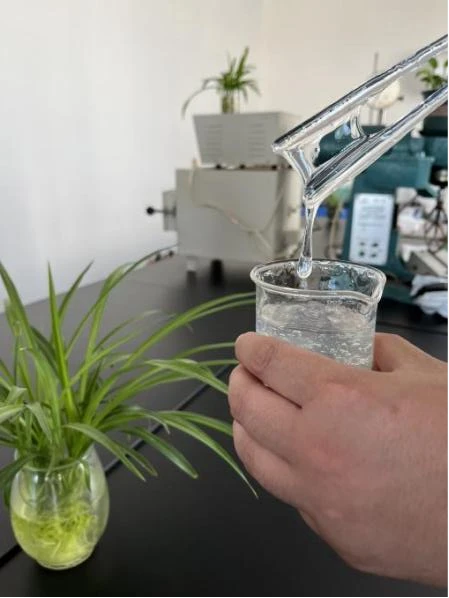
Understanding HPMC and Its Melting Point Characteristics Hydroxypropyl Methylcellulose (HPMC) is a versatile cellulose ether widely utilized in various industries, including pharmaceuticals, food, and construction. Known for its excellent film-forming properties and water solubility, HPMC is often chosen for its ability to modify the physical properties of products. One noteworthy aspect of HPMC that warrants discussion is its melting point characteristics, an important factor influencing its applications. HPMC is synthesized by modifying cellulose with hydroxypropyl and methyl groups, thereby enhancing its solubility and stability. Unlike traditional cellulose, which is insoluble in cold water, HPMC dissolves well, forming a clear gel-like solution. This solubility profile makes HPMC a preferred choice for a range of applications, particularly in the pharmaceutical sector, where it serves as an excipient, stabilizer, and controlled-release agent. Understanding HPMC and Its Melting Point Characteristics In practical terms, the thermal properties of HPMC are often evaluated through differential scanning calorimetry (DSC) or thermogravimetric analysis (TGA). These methods help identify the temperature ranges where significant weight loss occurs, indicating decomposition rather than melting. Typically, the thermal degradation of HPMC starts around 200°C, but this can vary depending on the degree of substitution and the molecular weight of the polymer. hpmc melting point The absence of a well-defined melting point affects how HPMC behaves in various formulations. For instance, when used in pharmaceutical tablets, the processing temperature must be carefully controlled to avoid degradation. If the temperature exceeds the decomposition threshold, the HPMC’s beneficial properties could be compromised, leading to ineffective drug release profiles. In addition to pharmaceutical applications, HPMC is widely used in the food industry. It acts as a thickening agent, stabilizer, and emulsifier, helping to improve the texture and consistency of various food products. Understanding the thermal properties of HPMC is essential in these applications as well. During food processing, high temperatures can be employed to ensure proper mixing and incorporation, but care must be taken to avoid exceeding the thermal limits of HPMC to maintain the desired product quality. Moreover, in the construction industry, HPMC is utilized in drywall joint compounds, tile adhesives, and other materials. Its water retention properties help improve workability and prevent premature drying. When formulating these products, manufacturers need to consider the thermal properties of HPMC to ensure performance stability during application and curing processes. The melting point characteristics of HPMC highlight its significance across various fields. While it may not exhibit a conventional melting point, understanding its thermal behavior is paramount for optimizing its use in formulations. Various factors, including degree of substitution, molecular weight, and processing conditions, play a role in determining how HPMC interacts in different applications. In conclusion, HPMC is a valuable polymer with wide-ranging applications and unique melting point characteristics that affect its functionality. Those working with HPMC should be aware of its thermal behavior to harness its full potential while ensuring product efficacy and safety. As research and technology advance, the understanding of HPMC and its properties will continue to evolve, paving the way for innovative solutions in pharmaceutical, food, and construction applications.
advantages
-

200000 Viscosities
Excellent product
We can produce pure products up to 200,000 viscosities
-

40000 tons
High yield
We don’t stop production all year round, and the annual output can reach 40,000 tons
-

24 hours
Quality service
We provide 24-hours online reception service, welcome to consult at any time
———— Inquiry Form
Schedule A services

-
 isolasi_selulosa_kayu
Oct . 25, 2025
Hydroxypropyl methylcellulose (HPMC) , a versatile polymer traditionally used in pharmaceuticals and -
 celulosa_hpmc
Oct . 25, 2025
Methocel F4M, a popular brand of hydroxypropyl methylcellulose (HPMC), stands out as an essential in -
 hpmc_synthesis
Oct . 25, 2025
Rubber powder coating has quietly risen to prominence in the coating industry, capturing the interes


